
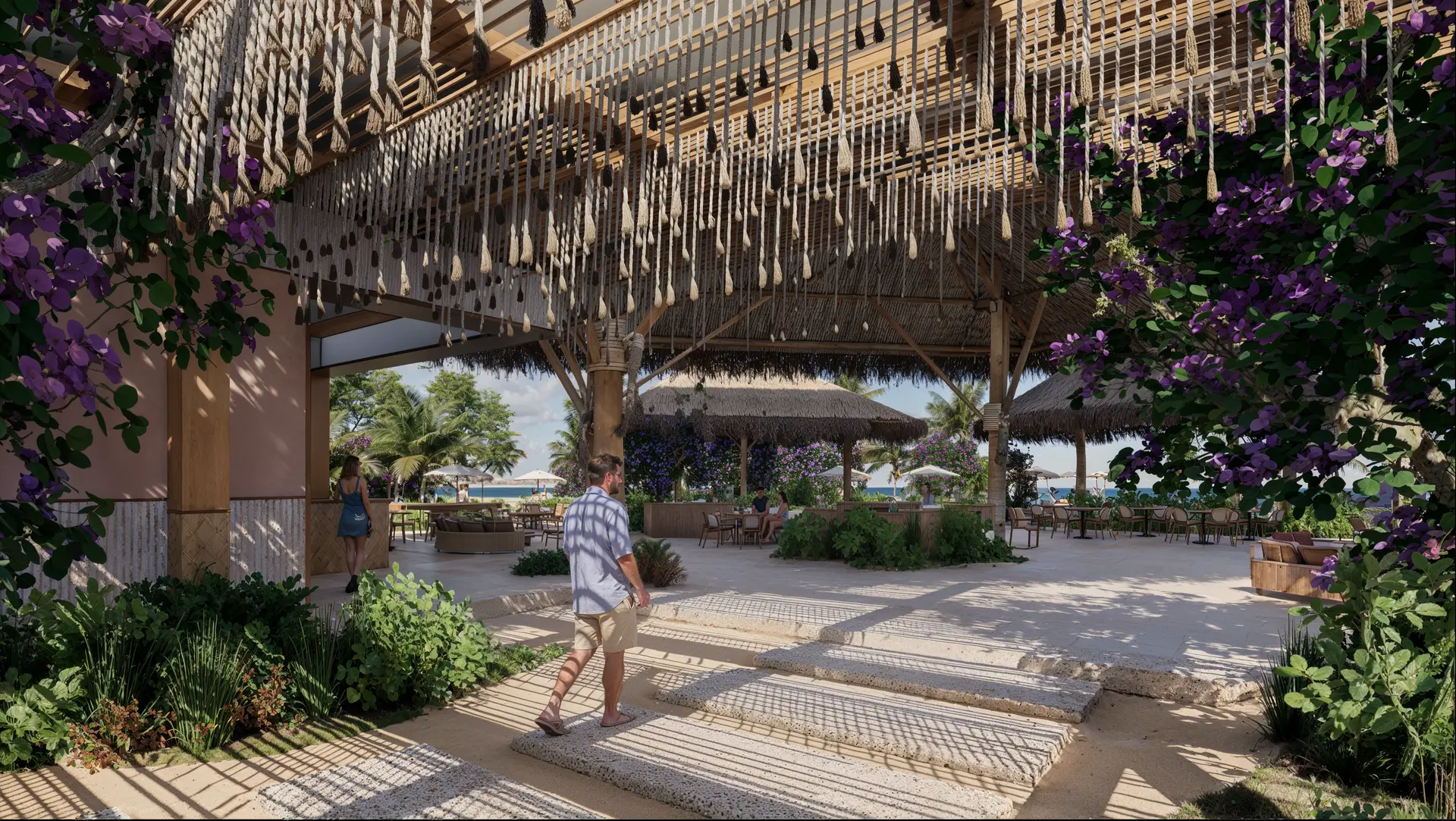
The Rise of Playa Venao: From Surf Spot to Place to Live
How a surfers' bay became one of Central America's most interesting real estate plays.
Fifteen years ago, Playa Venao was a wave. Surfers from Pedasí knew it. Almost no one else did.
Today, the same bay has direct flights talked about, three boutique hotels operating, two international schools, a restaurant scene that travels well on Instagram, and condominium prices that have appreciated steadily without a single boom-bust correction. Quiet, layered growth.
This isn't accidental. It's the pattern of every lifestyle-driven beach destination that ages well, and Venao is hitting the markers in order.
Phase one: the wave
A good wave is a magnet. Venao's left-hand point breaks 200+ days a year. That brought the surfers, then the surf instructors, then the boutique hotels that catered to both.
Surf-led tourism is sticky. Visitors return.
Phase two: the food
Three or four restaurants opened in succession that took the bay seriously, local seafood, Panamanian wine list, a chef who'd worked in Lima or Mexico City. Suddenly you could spend a weekend in Venao without eating the same meal twice.
Food signals confidence. It also signals year-round demand.
Phase three: the community
This is the phase Venao is in now.
Long-term residents, Panamanians, Colombians, North Americans, Israelis, Argentinians, started buying property instead of renting. Yoga studios opened. A pilates studio. Coffee roasters. A coworking space.
Then schools followed. The Creating Center, Manglares Discovery School, Casa Oruga Kindergarten, three international or alternative schools now operate in the corridor. Families relocate, not just visit.
When schools open, the market matures structurally. Year-round occupancy stops being a function of surf season.
Phase four: the infrastructure
The road from Panama City through Las Tablas to Pedasí to Venao is paved, well-maintained, and shrinking. New restaurants and shops in Pedasí town make day trips effortless.
Cellular coverage is good. Fiber internet exists in most parts of the corridor. The local airport in Pedasí is small but operational, and the Tonosí strip is being upgraded.
What this means for buyers
Lifestyle-driven destinations don't appreciate like Panama City condos. They appreciate slower, but they hold value differently. The downside is shallower because the buyer base is global and the supply is structurally limited (geography, not zoning).
Property in Venao today trades at roughly 25–40% below comparable bays in Costa Rica's Guanacaste, despite arguably better fundamentals: USD economy, faster-growing schools network, three-hour reach from Panama City instead of a long Liberia connection.
We don't believe Venao is "the next Tamarindo." We believe it's something better, a destination that's growing because real families are choosing to live there, not because a marketing budget told them to.
If you want to walk the corridor before deciding anything, that's the visit we love most to host. Reach out.